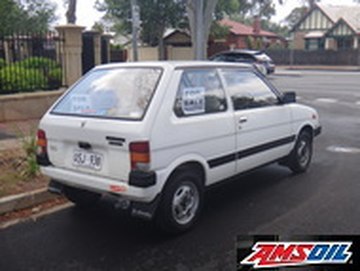
Lubrication Maintenance for the 1982 Subaru HATCHBACK 1.6L
Maintaining the mechanical integrity of a vehicle from the early 1980s requires a proactive approach to fluid management and component inspection. For the 1982 Subaru HATCHBACK equipped with the 1.6L EA71 engine, consistent attention to lubrication is a fundamental aspect of long-term ownership. Because older engines operate under different wear profiles than modern counterparts, understanding how to monitor and respond to changes in fluid condition is essential for preventing unexpected mechanical issues.
Monitoring Fluid Condition and Potential Leaks
One of the most effective ways to assess the health of an engine is through regular visual inspections. For this specific 1.6L application, owners should periodically check for any signs of fluid seepage or active leakage around the engine block and associated sealing surfaces. While some degree of minor seepage can occur as gaskets and seals age, significant wetness or dripping warrants closer investigation.
When performing these checks, look for several indicators:
- Surface Seepage: Check if oil is accumulating on the exterior of the engine or near various mating surfaces.
- Puddle Formation: Inspect the ground beneath where the vehicle is parked to identify any evidence of fluid loss.
- Fluid Appearance: If you are checking the dipstick, observe the color and texture of the lubricant. Extremely dark or gritty oil can indicate that the lubricant has been heavily contaminated or that service intervals have been exceeded.
It is important to note that a single symptom, such as an oily residue on a component, may indicate several different things. It could be related to a specific seal, a gasket, or even the buildup of road grime mixed with minor seepage. Rather than attempting to diagnose a specific failed part immediately, use these observations to establish a pattern of behavior for the vehicle.
Managing Aging Components and Systems
As vehicles age, the materials used in various systems—such as rubber hoses or electrical connections—can undergo changes in flexibility and integrity. For a 1982 model, it is practical to adopt a condition-based maintenance strategy rather than relying solely on the age of the vehicle.
If present, inspect accessible drive belts for signs of deterioration such as cracking, glazing, or fraying. Similarly, if the vehicle is equipped with various rubber hoses, check them for excessive softness, hardening, or visible cracks. Maintaining these peripheral components helps ensure that the engine operates within its intended parameters and prevents secondary issues caused by component failure.
Electrical connections and wiring should also be monitored. Over time, heat cycles and vibration can affect the security and cleanliness of connectors. Ensuring that electrical paths remain free of corrosion or loose seating is a helpful preventive measure for maintaining consistent engine performance.
Establishing a Maintenance Baseline
For many owners of older vehicles, the service history may be incomplete or unknown. In these instances, the first priority should be establishing a maintenance baseline. This involves performing a thorough inspection of all current fluids and mechanical components to determine their present state.
By documenting the current condition of the oil, the presence (or absence) of leaks, and the state of various belts and hoses, you create a reference point. This baseline allows you to notice subtle changes over time. For example, if you notice that the engine requires more frequent top-offs than it did six months ago, you have a measurable change that can be investigated. Keeping a detailed log of all completed services, including the dates and the specific products used, is one of the most effective ways to manage an older vehicle's longevity.
Observing Changes in Engine Behavior
Beyond visual inspections, paying attention to how the engine operates during daily use can provide valuable information. While symptoms do not always point to a single definitive cause, certain changes should be investigated promptly:
- Unusual Noises: Any new mechanical sounds that coincide with engine operation should be noted and evaluated.
- Changes in Consumption: If you find yourself needing to add lubricant more frequently than usual, this is a sign that the engine's consumption rate has changed.
- Exhaust Observations: Changes in the color or consistency of exhaust gases can sometimes be associated with internal engine conditions and should not be ignored.
Always remember that these signs are indicators for further investigation rather than immediate diagnoses. A change in behavior might be a simple matter of a loose connection or a minor seal issue, but addressing it early is always preferable to waiting until a symptom becomes more pronounced.
Prioritizing Service Tasks
When maintaining an older vehicle, it can be difficult to decide which tasks require immediate attention and which can wait. A practical approach is to prioritize based on active symptoms and the severity of observed conditions. Addressing an active leak or a significant change in fluid quality should always take precedence over general preventive maintenance.
Distinguishing between necessary repairs and unnecessary parts replacement is key to efficient ownership. If a component is functioning correctly and shows no signs of wear or impending failure, there is often no need to replace it simply because of the vehicle's age. Focus your resources on maintaining the systems that are currently showing signs of stress or those that are critical to the engine's immediate operation.
Buying Engine Oil for the 1982 Subaru HATCHBACK 1.6L
When it is time to replenish or change the lubricant in your 1982 Subaru HATCHBACK 1.6L, the most important step is ensuring the product matches the specific requirements of your engine. To ensure proper lubrication and protection, match the engine oil to the application-specific viscosity information already displayed on this webpage.
When selecting a product, consider the following practical tips:
- Verify Labeling: Always check the product packaging to confirm that the SAE viscosity and API service classifications align with the information provided for your specific vehicle.
- Evaluate Formulations: Depending on your engine's current condition, you may choose between conventional, synthetic blend, or full synthetic oils. Some high-mileage oil formulations contain additives intended for use in aging engines, including seal-conditioning additives that may be beneficial for older seals.
- Check Quality Standards: Ensure the oil meets the appropriate modern API certifications to provide adequate protection against oxidation and deposit formation.
By following the application-specific guidance provided on this page, you can select a lubricant that supports the continued operation of your 1.6L EA71 engine.